The Ultimate Guide to Damp Proofing Your Home: Top Tips for Success
WRITTEN BY QUICK DAMP FIX, DAMP PROOFING SPECIALIST
Damp proofing your home is crucial for maintaining a healthy living environment and preventing structural damage. This ultimate guide will provide you with an in-depth understanding of damp, its different types, how to identify it, and effective solutions to tackle this common issue. Whether you’re facing rising damp, penetrating damp, or condensation, this guide will arm you with the knowledge needed to keep your home dry and mould-free.
What is Damp Proofing and Why is it Important?
Understanding the Damp Problem
Damp proofing is the process of treating and managing moisture that penetrates walls and floors, potentially leading to significant damage and health issues. Understanding the damp problem is essential, as it can arise from various sources, including external factors like rain and groundwater, or internal factors such as poor ventilation and condensation. The presence of moisture creates a perfect environment for mould growth, which can affect air quality and lead to respiratory issues. Therefore, understanding the causes of damp is crucial for effective prevention and treatment.
Common Signs of Damp in Your Home
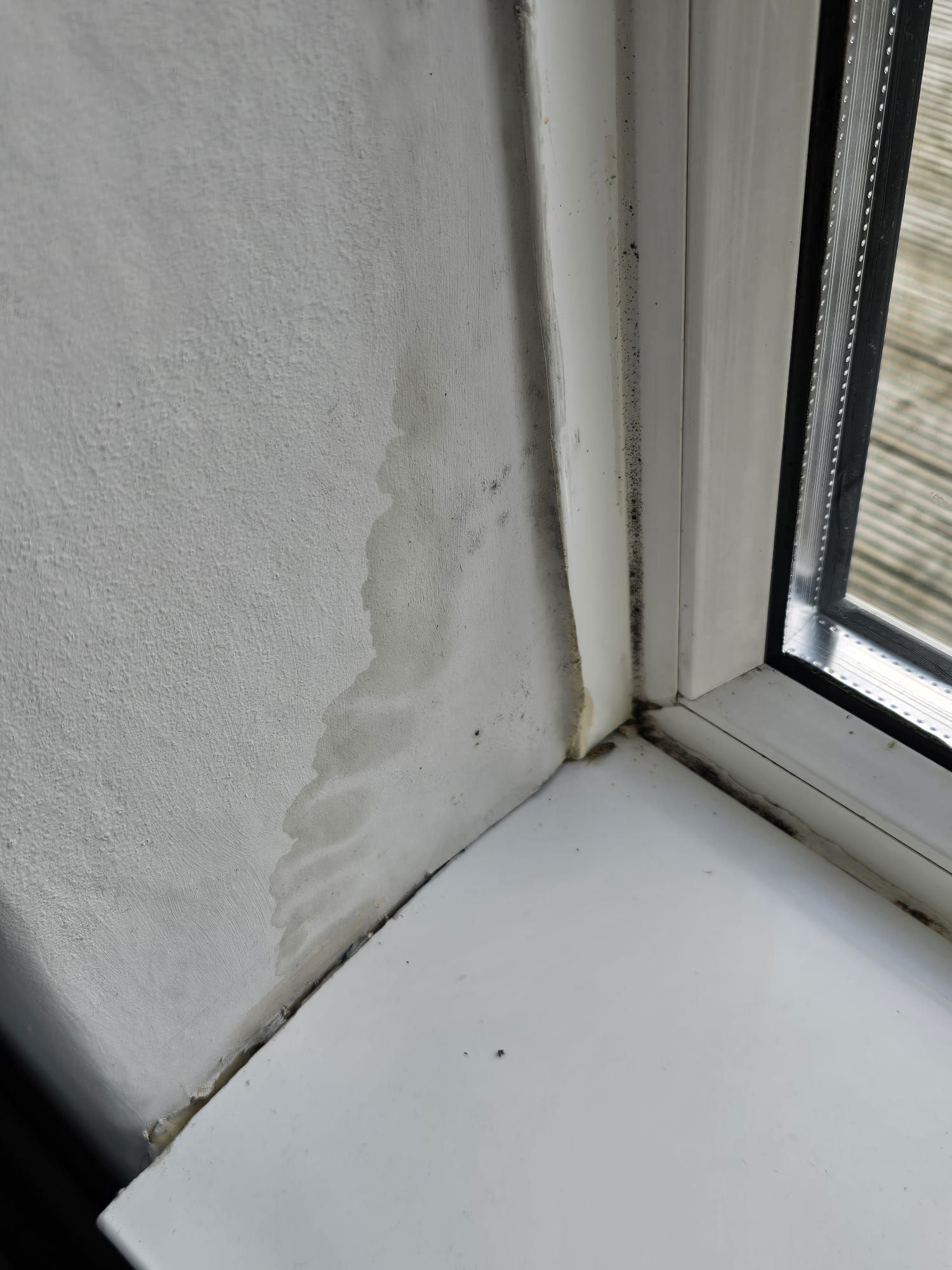
Recognising the common signs of damp is the first step in preventing extensive damage. Homeowners should be vigilant for damp patches on walls, peeling paint, and wallpaper, or even a musty smell that may indicate existing damp. Black mould can also develop in damp areas, particularly in corners of rooms or around windows and ceilings. If you notice any of these signs, it’s essential to act quickly and consult a damp specialist to assess the situation and provide effective solutions.
How Damp Proofing Protects Your Home
Effective damp proofing protects your home by preventing moisture from penetrating walls and floors. By installing a damp proof course or damp proof membrane, you create a barrier that stops moisture from rising through the structure. This not only preserves the integrity of your property but also keeps your living environment healthy by reducing the risk of mould and damp-related health problems. Investing in professional damp proofing can save you money in the long run by avoiding costly repairs and maintaining your home's value.
What are the Different Types of Damp?
Rising Damp: Causes and Solutions
Rising damp occurs when groundwater moves up through the walls and floors of a property. This happens due to capillary action and is often exacerbated by a lack of a damp proof course. The effects of rising damp can be severe, leading to structural damage and internal damp patches. To combat rising damp, it is important to install a damp proof course, which acts as a barrier to prevent moisture from rising. Additionally, addressing drainage issues around the property can help mitigate the problem.
Pentrating Damp: How It Affects Your Home
Pentrating damp, unlike rising damp, occurs when moisture penetrates through the external walls of a property, often due to structural defects or poor maintenance. Common causes include damaged roofs, leaking pipes, or cracks in the walls. This type of damp can lead to damp patches on internal walls, causing not only cosmetic issues but also potential mould growth. Regular maintenance, including checking external walls and windows for damage, can help prevent penetrating damp from becoming a serious problem.
Condensation: A Common Type of Damp Issue
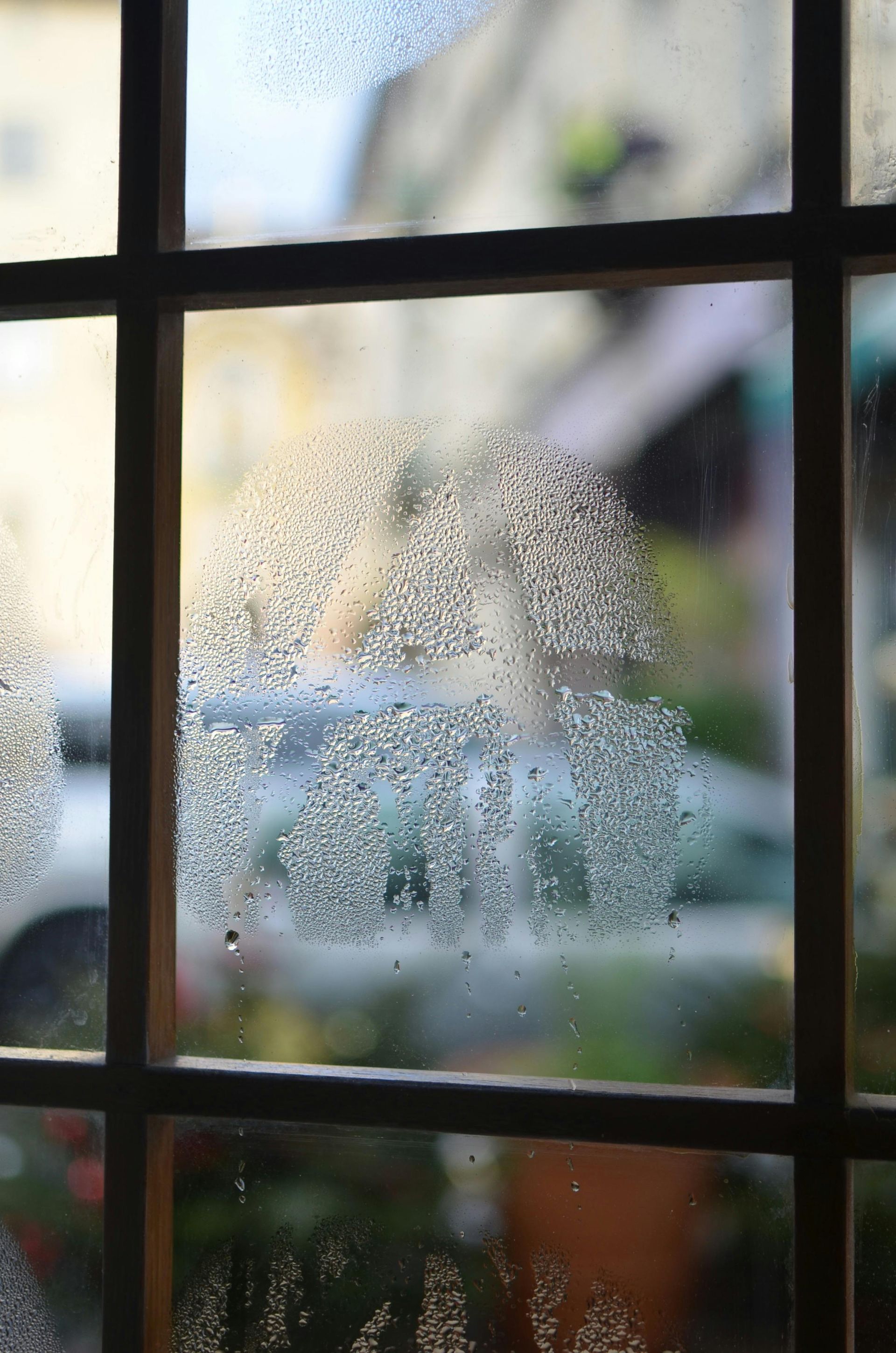
Condensation is one of the most common types of damp issues found in homes, often resulting from inadequate ventilation and excessive moisture in the air. When warm air from cooking, bathing, or drying clothes meets cold surfaces, moisture condenses and forms water droplets. This can lead to damp patches and mould growth, particularly in areas like bathrooms and kitchens. To tackle condensation, it's crucial to improve ventilation in your home, which may include installing vents or using a dehumidifier to control humidity levels.
How to Identify Signs of Damp?
Recognising Damp Patches on Walls
Recognising damp patches on walls is vital for identifying potential damp issues early. These patches often appear darker than the surrounding areas and may feel cold or wet to the touch. It’s important to check both external and internal walls for signs of damp, as issues can vary depending on the type of damp present. If you discover persistent damp patches, it's advisable to conduct a damp survey to determine the source and severity of the problem.
Understanding Mould Growth and Its Implications
Mould growth is a direct consequence of damp conditions and can pose serious health risks if left untreated. Black mould, in particular, is known for its harmful effects on respiratory health. Understanding the implications of mould growth is essential for maintaining a safe living environment. If mould is present, it is crucial to address the underlying damp issue while also removing the mould safely and effectively to prevent its return.
Signs of Damp in Internal Walls
Signs of damp in internal walls can be subtle but are critical indicators of potential problems. Homeowners should look for bubbling paint or wallpaper, which can signal moisture trapped behind the surfaces. Additionally, if you notice a persistent musty smell or an increase in allergies or respiratory issues among residents, these could be signs of damp affecting internal walls. Regular inspections can help catch these signs early, allowing for timely intervention.
What are Effective Damp Proofing Solutions?
Damp Proof Membrane: What You Need to Know
A damp proof membrane is a crucial element in damp proofing your home. This impermeable layer is typically installed in the walls and floors to prevent moisture from penetrating the structure. When correctly installed, a damp proof membrane can last for many years, providing effective protection against rising damp. It's important to consult a damp proofing specialist for proper installation to ensure the membrane is fully effective.
Damp Proof Course: Installation and Benefits
The damp proof course (DPC) is another essential component of effective damp proofing. Installed at the base of walls, it acts as a barrier against rising damp. The installation of a DPC should be carried out by professionals to ensure it meets building regulations and functions properly. The benefits of a damp proof course include enhanced property value, reduced risk of structural damage, and improved indoor air quality by preventing mould growth.
DIY Damp Treatments for Homeowners
For homeowners looking to tackle damp issues themselves, several DIY damp treatments can be employed. These include using damp-proof paints and sealants that can help create a moisture-resistant barrier on walls. Additionally, addressing ventilation issues by installing vents or using exhaust fans can significantly reduce humidity levels. However, it’s important to note that while DIY solutions may be effective for minor damp problems, severe cases may require professional damp proofing services for a lasting solution.
Tips on How to Prevent Damp in Your Home
Ventilation: Key to Preventing Damp and Mould
Proper ventilation is key to preventing damp and mould in your home. Ensuring that your living spaces are well ventilated allows moisture to escape, reducing the likelihood of condensation. Simple measures such as opening windows, using extractor fans in kitchens and bathrooms, and ensuring air circulation can make a significant difference. Additionally, installing trickle vents on windows can further improve airflow, helping to keep your home dry.
Using Dehumidifiers to Control Humidity
Investing in a dehumidifier can be an effective way to control humidity levels in your home and prevent damp problems. Dehumidifiers work by removing moisture from the air, making them particularly useful in areas prone to high humidity, such as basements or bathrooms. Regularly using a dehumidifier can help maintain optimal humidity levels and reduce the risk of mould growth and damp-related issues.
Routine Maintenance to Stop Damp Issues
Routine maintenance is essential to stop damp issues before they escalate. Regularly inspect your property for signs of damp, check for any leaks in plumbing, and ensure that gutters and downspouts are clear of debris. Maintaining the exterior of your home is equally important; ensure that walls are painted and sealed properly, and address any cracks or damage promptly. By being proactive and conducting routine maintenance, homeowners can significantly reduce the risk of damp and mould problems.
Say Goodbye to Damp for Good with Quick Damp Fix
At Quick Damp Fix, we pride ourselves on being one of the UK's leading damp proofing specialists, dedicated to helping property owners eliminate damp issues once and for all. Our fully licensed, insured, and expertly trained technicians not only guarantee a job well done but also provide exceptional customer service, treating your home with the utmost respect. With Quick Damp Fix, you get more than just a fix - you get peace of mind.
Ready to protect your home from damp? Simply fill out the form below, and one of our experts will be in touch to provide a free consultation!